
England Weather / Climate is best described as ‘changeable’. There are, of course, clear patterns but nowhere in England can you be completely confident in predicting the weather for more than a few days at a time.
The extremes of weather that are usual in large continental landmasses do not apply in England. Summers rarely get unbearably hot but nor do winters get bitterly cold. (If you arrive from northern Australia in an English winter it will strike you as cold but it will be nothing like as cold as central Europe or the mid-west states of the USA).
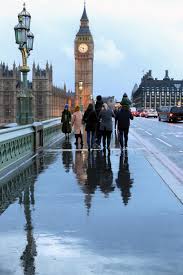
One reason that weather is such a popular topic of conversation in England is that it is so changeable.
Patterns
In summer the south of England enjoys the warmest weather whereas the north is cooler. In winter the main difference is between east and west. The west, warmed by the Atlantic, is usually milder than the east. This mild air is invariably wetter than the dry air of the east. The far north-west of England, especially the Lake District, is much wetter than other regions largely because of the height of the land.
Those who visit or settle in England are often surprised by the long days that occur in summer and the short days in December. In northern England, darkness can be as short as four or five hours in June whereas in January most people go to work in the dark and come home in the dark. These differences in the length of daylight are because of the northerly latitude that England occupies.
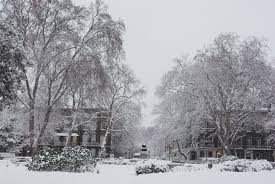
England Weather / Climate
Your feelings about the English weather will, in part, be influenced by the climate you leave behind. In summary, you are unlikely to experience extreme or unpleasant weather for a prolonged period. Snow rarely stays on the ground for long. Heat waves rarely persist.
Remember that large cities generate their own microclimates. The centers of most large cities are usually much warmer than their outskirts. London is a particular case. The city is so large that the temperature rise, as you travel from the surrounding countryside to the city center, is very noticeable.
England weather- England weather forecast- current weather in England- detailed weather report for England
Traveling by Train in England and London – Information on getting and reading your train ticket, the high speed, and regional train system; a link to training schedules.
More Info On- London England Weather, Holidays Special Days and events in Great Britain in April